Using Mulch
Mulch is the
term used for a variety of organic products which are applied to your garden as decorative ground cover,
as a soil improvement, and to conserve water usage.
Bark mulch is one of the most popular
mulches available, and comes in bark chips of varying shapes and sizes.
Besides bark mulch, wood
mulch also comes in a number of other varieties that feed the soil as they decompose,
improve
the looks of your garden, and help retain soil moisture all at the same time.
Which Type
of Wood Mulch Is Best for Me?
With a wide range of wood based mulch to choose from,
it can be difficult to decide which type to lay down over your garden beds.
Here's a
list of the most common types, and why, or why not, you should choose these mulches for your landscaping needs.
Bark Mulch is one of the most popular mulches around, because it looks so great once you put
it down.
It is also an excellent choice when it comes to water conservation, since it
provides a solid barrier against moisture evaporation.
The one downside of this mulch is its
size. Most bark mulch comes in large chips, which decompose slowly.
If you can find bark that's
been shredded, go that route.
Shredded bark will not only trap moisture in your flower beds better
than large chips,
but since it decomposes quicker, it more readily adds nutrients to the soil
as well.
Cedar Mulch is the cream of the crop. Because cedar mulch
has natural oils in the wood that repel insects,
it's the perfect choice for wood mulch,
especially in areas where termites are common.
Cedar mulch is going to be a little more costly
initially, but it's well worth the extra expense when you consider its pest repellant properties.
Colored Mulch is another popular mulch alternative.
It's
usually composed of wood chips or shredded wood that has been died a reddish color.
If you are
particular about the appearance of your landscaping, colored mulch is the way to go.
It can't
be rivaled when it comes to appearance. Of course, good looks come at a price.
If you choose
colored mulch for your gardens, make sure your budget can accommodate the extra costs.
Natural
Colored Mulch refers to wood based mulch that is not colored for aesthetic appeal.
Many homeowners choose to go this route, since naturally colored wood chips are usually cheaper than dyed alternatives.
They provide the same benefits when it comes to moisture retention, week reduction, and composting
properties,
but they don't carry the extra price tag that goes hand in hand with dyed varieties.
Pine Peelings, or other wood shavings, are basically the cast of
material of more intricate milling processes.
They are then collected and sold in bulk
as wood mulch. This variety of mulch won't turn as many heads as bark mulch or cedar mulch,
but
it serves its purpose. If you're on a tight budget, but still looking for wood mulch for your gardens, look for pine or other
wood peelings
Bark Mulch Warning
Whether you choose bark mulch,
or another variety, it's important that you take into consideration the
prevalence of
wood boring pests in your area before you purchase. Termites, for example, prefer to munch on dead wood,
and wood based mulch is a favorite feeding ground. If you live in an area where termites are commonplace,
it's probably a good idea to talk to a pest control contractor or landscaping contractor before making your purchase.
It can be the difference between a maintenance free landscape, and one that causes scores of headaches and larger
problems down the road.
If termites are not a problem in your area, wood mulch is about the best
investment you can make when it comes to landscaping.
You'll be getting one of the best looking,
and performing, mulches on the market.
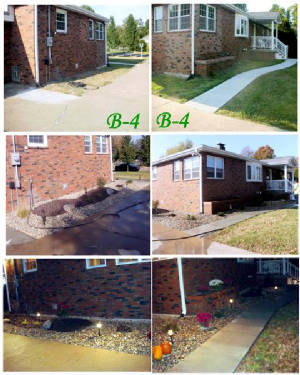
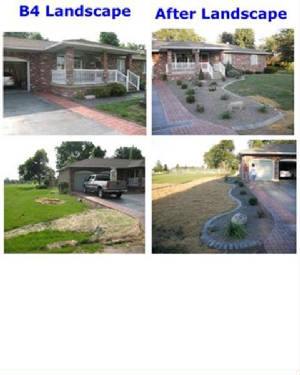
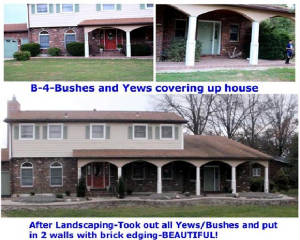
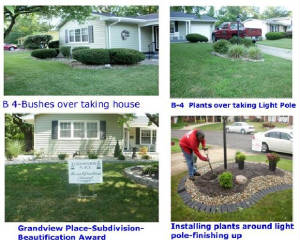
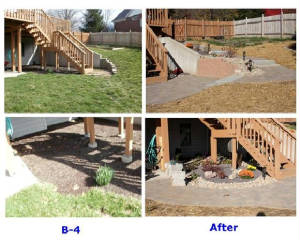
R & R Quality Landscaping prefers using Trap Rock,
purplish in color, shadow look- never have to be replaced, like Mulch! Money saving- is what we look out for.