|
| Retaining walls add support to a hillside |
|
|
| These are great looking walls! |
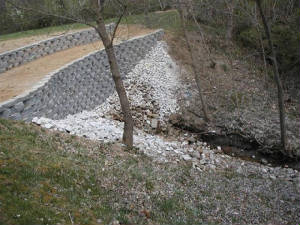
| After-Retaining Wall going down hill |
|
|
| Fox Creek, Edwardsville, IL |
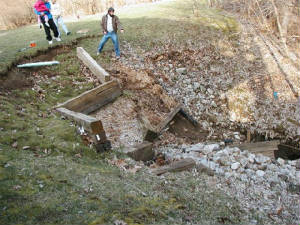
| Before Wall Built |
|
|
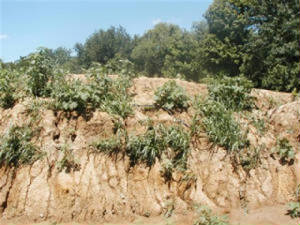
| Large Dirt Hillside |
| After- Walls Built |
|
|
| O'Fallon, IL. |
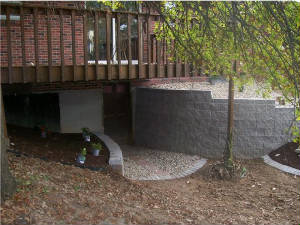
| Large Wall built under deck by basement |
|
|
| Prairie town,IL. |
|
|
 |
|
|
|
R & R Quality Landscaping-Lawn Care,Snow & Ice Removal,Retaining Walls,Paver Patios/ IL
|
|
|
Retaining Walls
|
|
|
|
 |
|
|
Nothing is 2 Big or 2 Small for Use to Do
|
|
|
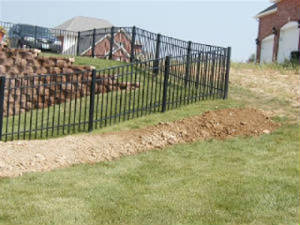
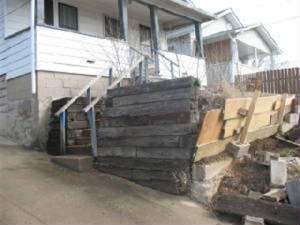
| Bad Erosion Problem |
|
|
| Before Wall |
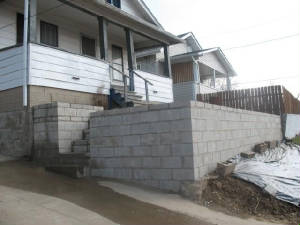
| After- Wall built |
|
|
| Maryville,IL. |
| After-Large Wall built with steps on hill |
|
|
| Alton, IL. |
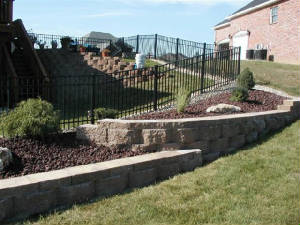
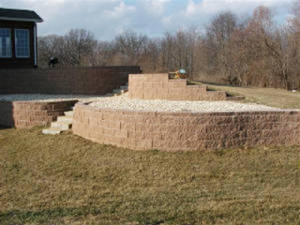
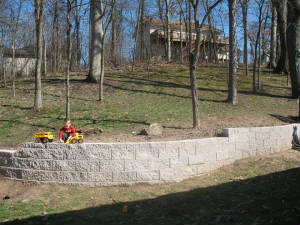
| Large Tier Wall built- |
|
|
| Safe for Kids- Bethalto,IL. |
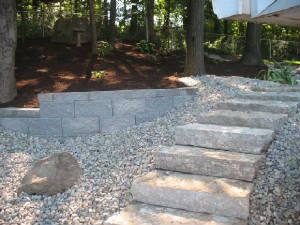
| After-Boulder Steps with retaining wall |
|
|
| Bethalto, IL. |
Hardscaping. What’s that? Used primarily in the landscape
industry, the term"hardscape" refers to construction projects like retaining walls, walks, drives, patios and pool
decking. The integration of hardscape brings a distinguished and finished look to any landscape design. R & R Quality Landscaping hardscape team has more than 20 years of hardscape design and installation experience.
In addition, our attentive staff works closely with each client to insure every need and interest is completely addressed.
With great pride in our workmanship, R & R Quality Landscaping uses only the finest materials
in every hardscape project. Our premium collection includes: • Belgard Pavers for patios
• Paverstone Pavers for walks
• Romanstone for drives
• Versa-lok or natural stone for walls
All our hardscape construction has a 100% warranty against natural settling or natural movement
for one full year. Learn how installing appropriate hardscape elements
will bring the distinguished look your property deserves
|
|
|
|
R & R Quality Landscaping
began as a landscape maintenace company, In 2000, serving several communities in IL. R
& R Quality Landscaping has expanded its services, and has become one of the best Landscapers in the area. It has also
developed the full respect of its customers because of the ability to create different environments depending on the customers
needs and ideas. The mission of R & R Quality Landscaping is to provide customers
with: - Value for their money
- Conscientious and
fair labor
- Timely conclusions
- NO
hidden costs
- Better than anticipated results
- We provide all the customers landscape needs in a courteous and timely manner.
The reason we are doing this kind of business is because we LOVE our
work, 100% satisfaction
|
|
|
|
|
|
|